Modern Vector to Embroidery File Conversion Guide
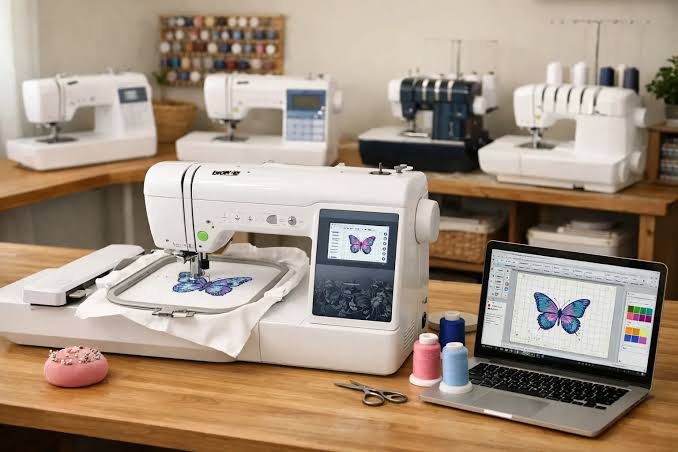
Many logos and illustrations are created as vector artwork because vectors can be resized without losing quality. However, an embroidery machine cannot simply stitch a standard vector file.
The artwork needs to be converted into an embroidery-ready file through proper digitizing.
What Is a Vector File?
Vector files use mathematical paths to create shapes and artwork. Common formats include:
- AI
- EPS
- SVG
These files are useful starting points for embroidery because their shapes and outlines can often be edited easily.
How Do You Convert Vector Artwork to Embroidery?
The basic process includes:
1. Prepare the Artwork
Remove unnecessary details and make sure the logo or design is clear and easy to work with.
2. Import Into Embroidery Software
Open the artwork in suitable embroidery digitizing software and begin creating embroidery objects.
3. Select Stitch Types
Choose appropriate stitches for different areas, such as running, satin, or fill stitches.
4. Adjust Density and Direction
Set suitable stitch density and direction based on the design and fabric.
5. Set the Stitch Sequence
Arrange the objects in an efficient order to reduce unnecessary jumps and thread changes.
6. Export the Embroidery File
After checking the design, export it in the file format supported by the embroidery machine.
Why Isn’t Automatic Conversion Always Enough?
Automatic conversion can be useful, but it may not produce the best results for every design.
A professional digitizer may need to adjust:
- Stitch density
- Underlay
- Stitch direction
- Object sequence
- Small details
- Pull compensation
These adjustments help create a more reliable and professional embroidered result.
Learn Embroidery Digitizing With Stitchmastery
The Stitchmastery Course from EmbroiderySkills.com helps learners build practical embroidery skills and understand the process behind creating embroidery-ready designs.
🌎 Online worldwide
💰 Affordable pricing
🧵 Suitable for different skill levels
🚀 Practical, career-ready skills
For course information and enrollment:
info@embroideryskills.com
Final Thoughts
Converting vector artwork into an embroidery file requires more than changing the file format. Proper digitizing transforms artwork into a stitch plan that an embroidery machine can reproduce effectively.
Learning these skills can help you create better logos, custom designs, patches, and apparel.